

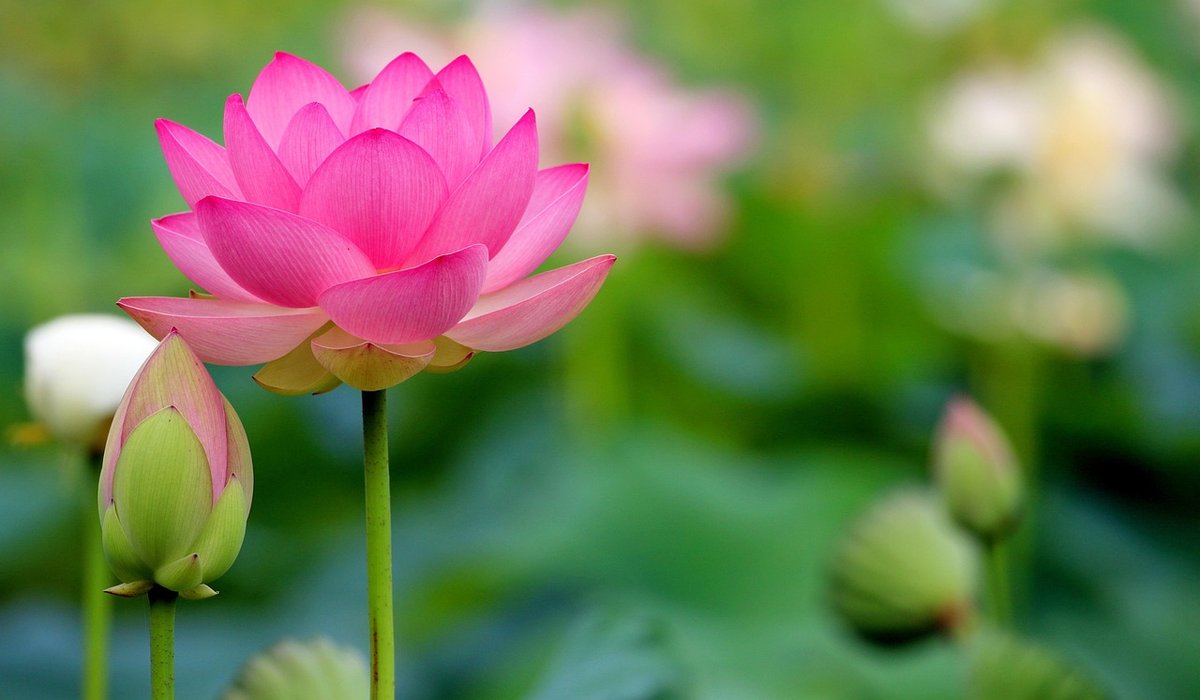
Few sights say summer pond quite like a water lily opening its petals to the sun. Beyond their beauty, these floating favourites earn their place in any British wetland garden. Their broad leaves shade the water, which helps keep blanketweed and green algae in check. That shade also gives frogs, newts and small fish a place to hide, while the flowers offer nectar and pollen to bees, hoverflies and other pollinators. Dragonflies and damselflies often use the leaves as resting platforms, and the underwater stems provide cover for tadpoles and aquatic invertebrates.
Hardy water lilies are the mainstay for UK ponds. They die back in autumn and return reliably each spring, unlike tropical types that need lifting and frost-free winter storage. If you have a small container pond, a half-barrel or even a generous sink, there is a lily to suit. The trick is choosing one that matches your water depth and giving it the right start.
Water depth is the single most important factor. Measure the distance from the surface to the top of the planting basket, not to the bottom of the pond. A lily planted too deep will sulk and may never flower. One planted too shallow can push leaves above the water, where they scorch and curl. As a rough guide, hardy lilies fall into three practical groups.
If you are unsure, choose a smaller lily rather than a larger one. Water lilies actually flower best when slightly pot-bound, and a modest plant in a small pond looks far better than a monster crowding every inch of surface. Aim to cover no more than a third to a half of the water with leaves, leaving open water for wildlife and for viewing.
Late spring to early summer is the best time to plant, when the water has warmed and new growth is underway. Use a purpose-made aquatic basket, which has open sides for roots but holds the compost together. Line it with hessian if the mesh is large, then fill with aquatic compost or a heavy, loam-based soil. Do not use ordinary multipurpose compost, which is too light and will float away, and avoid anything rich in peat or bark.
Choose a spot in full sun for at least six hours a day. Still water is fine, but avoid placing the basket directly under a fountain or in a strong current. If your pond has koi or other large fish, protect the young plant with a temporary cage of netting until it establishes.
Water lilies are hungry plants, but they need the right kind of food. From late spring to late summer, push specialist aquatic fertiliser tablets into the compost around the roots, following the packet rate. A typical schedule is every four to six weeks. Never use general garden fertiliser, which dissolves into the water and feeds algae instead of your lily.
Keep the pond tidy by removing yellowing leaves and faded flowers. Deadheading encourages more blooms, though leaving a few seed heads can benefit wildlife. If aphids cluster on stems or buds, a sharp spray of water from a hose will dislodge them without harming pond life. Thin overcrowded leaves if they cover more than half the surface. In a warm summer, you may need to lift the basket slightly if leaves start to push above the water line.
Every three to five years, or when flowers become small and sparse, it is time to divide. Lift the basket in early spring, just as new shoots appear. Use a sharp knife or secateurs to cut the thick rhizome into sections, making sure each piece has at least one growing point and a good set of roots. Discard the old, woody centre.
Repot the divisions into fresh aquatic compost and top with gravel as before. Replant at the correct depth for the cultivar. Dividing not only rejuvenates the lily but also gives you spare plants for another pond or to swap with a gardening friend. Any surplus can be left in a shallow tray of water in the shade until you find a home for it.
A well-grown water lily is a wildlife hub. Frogs bask on the leaves, newts shelter beneath them, and emerging adults of damselflies and dragonflies climb the stems to dry their wings. Leave a few leaves and seed heads in place over autumn for insects and birds. The main pests are aphids and the larvae of the china mark moth, which cut small pieces from leaves. Pick off affected foliage and encourage birds and frogs to patrol the pond naturally.
Hardy water lilies need little winter care in most of the UK. As foliage dies back, cut it away and leave the basket in place at the bottom of the pond. In a severe winter, avoid smashing ice, which can shock fish and damage pond liners; instead, place a pan of hot water on the surface to melt a hole. Tropical lilies must be lifted before the first frost and kept in wet compost in a frost-free place. In spring, clear debris, check the basket depth, and start feeding when the first new leaves appear. With that simple rhythm, your water lilies will reward you with flowers for years to come.

Reeddell Simple, genuine and looked after with care — the kind of place worth returning to.

Reeddell Real stories, useful guides and the occasional recommendation, all in one calm corner of the web.

Create a pond with emergent plants and sunny perches to encourage these dazzling insects to visit and breed in your garden.

Comments
ALina Kelian
19th May 2018 ReplyReeddell An honest, everyday look at the things that make life a little better — with advice you can actually use. ullamco laboris nisi ut aliquip ex ea commodo consequat.
Rlex Kelian
19th May 2018 ReplyReeddell Written for people who value the details, and want honest guidance they can trust. ullamco laboris nisi ut aliquip commodo.
Roboto Alex
21th May 2018 ReplyReeddell Real stories, useful guides and the occasional recommendation, all in one calm corner of the web. ullamco laboris nisi ut aliquip ex ea commodo consequat.