

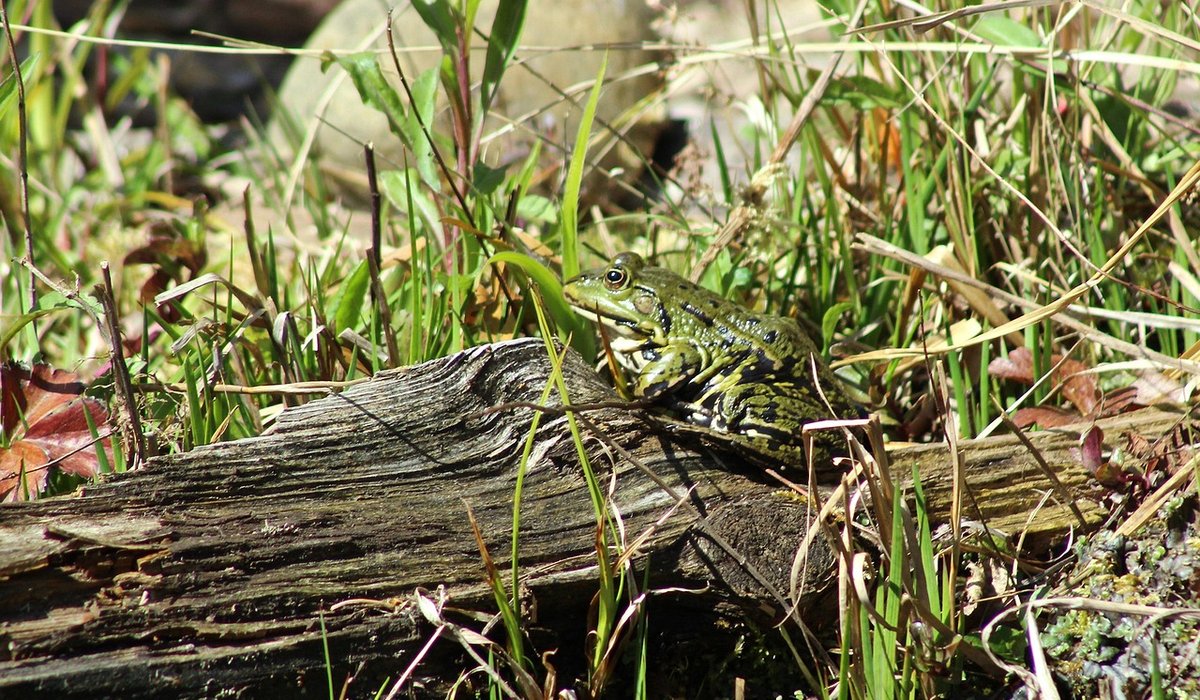
The shallow shelf around a garden pond is the busiest real estate in the whole water feature. It is where frogs haul themselves out, where dragonfly nymphs clamber up stems before emerging, and where a huge range of insects, amphibians and small mammals find shelter, drinking water and hunting grounds. Get the planting right along that margin and you will notice the difference within a season — more birds visiting to bathe, more damselflies, and fewer of the algae blooms that plague bare, sunlit water.
Marginal plants — sometimes called emergent or bog plants — are simply those that enjoy their roots in water but their leaves and flowers above it. The trick is to choose British natives where you can, because they have evolved alongside our wildlife and support it far better than exotic alternatives. They are also hardy, tolerant of our grey, damp winters, and unlikely to cause trouble if they ever escape the pond.
Before you buy anything, take a look at how deep the water is around the edge of your pond. Most marginals sit happily in one of three bands.
If your pond has steep sides or a liner with no natural shelf, you can create one easily by standing plants on upturned pots or using planting baskets with a brick underneath. Aim for a gentle slope rather than a hard edge; wildlife much prefers a gradual transition from water to dry land.
These are the workhorses of a UK wildlife pond — tough, attractive and genuinely useful.
A pond with only low carpeting plants can look a little flat. Add a few taller species to give vertical interest and perching points for dragonflies and damselflies.
Plant taller species towards the back of the margin or the far side of the pond so they do not obscure the view from your favourite seat.
Use aquatic planting baskets lined with hessian rather than bare soil, which clouds the water and releases nutrients. Fill them with a low-nutrient aquatic compost — ordinary garden soil or multipurpose compost will leach nutrients and feed algae. Top the compost with a layer of pea gravel to stop it floating away and to deter birds from scratching.
Group plants in odd-numbered clumps of three or five rather than dotting them about singly. Wildlife finds larger clumps far more useful as cover, and the planting looks more natural. Aim to cover roughly a third of the pond surface with marginals and floating plants; more than that, and the water can become starved of light and oxygen.
After planting, water them in gently and check the baskets have not tipped. Through the first summer, remove any yellowing foliage and deadhead spent flowers if you want a tidier look — though leaving seed heads over winter provides food for birds and shelter for overwintering insects. Come spring, divide congested clumps and trim back old growth just before new shoots appear.
A well-planted margin is not just pretty — it is a functioning habitat. Frogs and toads will use damp clumps as daytime refuges, newts will thread between the stems, and hedgehogs may visit for a drink if you provide a gentle ramp out of the water. Avoid invasive non-native species such as parrot's feather and water fern, which can smother a small pond in a single season.
Do not be tempted to over-tidy. A little leaf litter and a few collapsed stems in the shallows are not mess — they are shelter. Leave them until late spring if you can, so that anything hibernating in the hollow stems has a chance to wake up and move on. Plant native, plant generously, and the wildlife will do the rest.

Reeddell Simple, genuine and looked after with care — the kind of place worth returning to.

Reeddell Real stories, useful guides and the occasional recommendation, all in one calm corner of the web.

Learn how to turn a damp patch into a colourful bog garden using perennials that enjoy consistently wet soil and attract pollinators.

Comments
ALina Kelian
19th May 2018 ReplyReeddell An honest, everyday look at the things that make life a little better — with advice you can actually use. ullamco laboris nisi ut aliquip ex ea commodo consequat.
Rlex Kelian
19th May 2018 ReplyReeddell Written for people who value the details, and want honest guidance they can trust. ullamco laboris nisi ut aliquip commodo.
Roboto Alex
21th May 2018 ReplyReeddell Real stories, useful guides and the occasional recommendation, all in one calm corner of the web. ullamco laboris nisi ut aliquip ex ea commodo consequat.