

Most gardeners despair when they find a corner of the plot that never dries out. The lawn turns spongy, the roses sulk, and every forkful of soil comes up heavy and grey. But a persistently wet patch is not a problem to be solved with drainage pipes and hard labour. It is an opportunity, and one that many British gardeners overlook.
A bog garden is simply a planting area built around soil that stays reliably moist, mimicking the conditions of a marsh, fen or stream edge. The reward is a palette of perennials that simply will not thrive anywhere else: candelabra primulas, rodgersia, ligularia and a host of others with bold foliage and late-summer flowers. Because these plants are adapted to wet roots, they need far less watering than a border in dry shade, and many of them are superb for pollinators.
Look for ground that stays damp for most of the year, or where water collects after rain. A dip at the bottom of a slope, the edge of a pond, or the shady side of a hedge all work well. Full sun is fine provided the soil does not dry out, but partial shade suits most moisture-lovers and reduces evaporation.
If your damp patch is small, you can dig out the top 30cm of soil and line the base with a butyl liner pierced with a few dozen drainage holes. This holds moisture without creating a stagnant sump. Backfill with a mix of garden soil, well-rotted manure and leafmould in roughly equal parts. If your ground is naturally wet, simply fork in organic matter to a spade's depth and skip the liner entirely.
Aim for a soil that feels like a wrung-out sponge rather than a swamp. Standing water will rot the crowns of even the most tolerant plants, so if the patch floods for days at a time, raise the planting area into a gentle mound or install a simple overflow channel before you plant.
Start with structural foliage, then layer in colour. The following are reliably hardy in most of the UK and will cope with consistently wet ground:
Add Primula vialii, with its scarlet and lilac candelabra, and Zantedeschia aethiopica for an exotic white arum lily if you have a sheltered spot. All of these will reward you with months of interest and very little fuss.
Plant in spring or early autumn, when the soil is warm and moist but not waterlogged. Space plants according to their final spread rather than the size of the pot, and water them in well even though the ground is wet. Mulch around the crowns with composted bark to suppress weeds, but keep the mulch clear of stems to prevent rot.
Feeding is rarely necessary in a bog garden. The organic matter you dug in at the start will carry most plants through the first two years. After that, a light scatter of balanced fertiliser in early spring is plenty. If growth seems weak, the soil may be too cold and stagnant; fork it gently to improve aeration without disturbing the roots.
Divide congested clumps of primulas, astilbes and irises every three or four years in early spring. Cut back dead foliage in autumn, but leave ligularia and rodgersia stems standing through winter to provide shelter for overwintering insects.
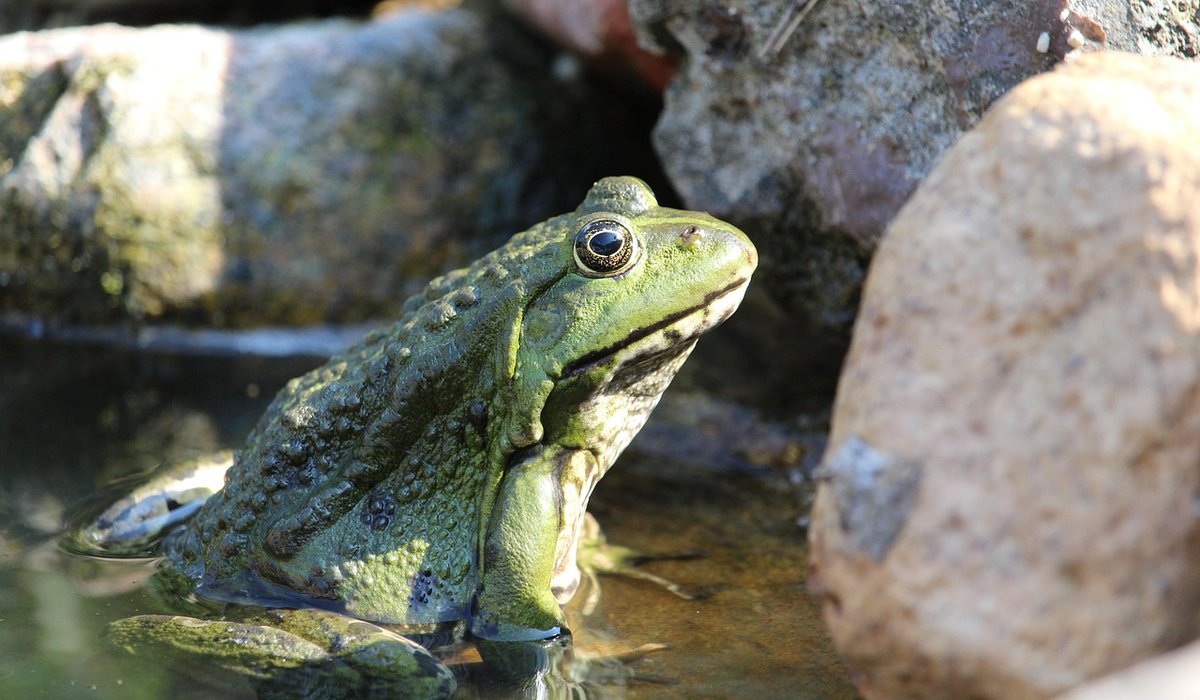
A bog garden is one of the most wildlife-rich features you can add to a British plot. The damp soil supports frogs, newts and ground beetles, while the dense foliage offers cover for nesting birds and amphibians. Dragonflies and damselflies will hunt over the plants on warm afternoons, and the seed heads of astilbe and ligularia feed finches well into winter.
For pollinators, the value is exceptional. Candelabra primulas and astilbes are rich in nectar and open just as bumblebee queens are emerging in spring. Ligularia and persicaria carry the season through to autumn, when late-flying hoverflies and solitary bees are still on the wing. Avoid double-flowered varieties, which offer little or no nectar, and leave the seed heads standing rather than cutting everything back in September.
Keep the garden chemical-free and let a little leaf litter accumulate around the edges. A shallow dish of water sunk into the soil will give frogs and insects an easy drinking spot, and a small log pile nearby will complete the habitat. Within a season or two, a patch of soggy ground that once frustrated you will be the busiest, brightest corner of the garden.

Reeddell Simple, genuine and looked after with care — the kind of place worth returning to.

Reeddell Real stories, useful guides and the occasional recommendation, all in one calm corner of the web.

Simple changes to pond design and surrounding habitat can make your garden more welcoming for native amphibians seeking shelter and breeding sites.

Comments
ALina Kelian
19th May 2018 ReplyReeddell An honest, everyday look at the things that make life a little better — with advice you can actually use. ullamco laboris nisi ut aliquip ex ea commodo consequat.
Rlex Kelian
19th May 2018 ReplyReeddell Written for people who value the details, and want honest guidance they can trust. ullamco laboris nisi ut aliquip commodo.
Roboto Alex
21th May 2018 ReplyReeddell Real stories, useful guides and the occasional recommendation, all in one calm corner of the web. ullamco laboris nisi ut aliquip ex ea commodo consequat.