

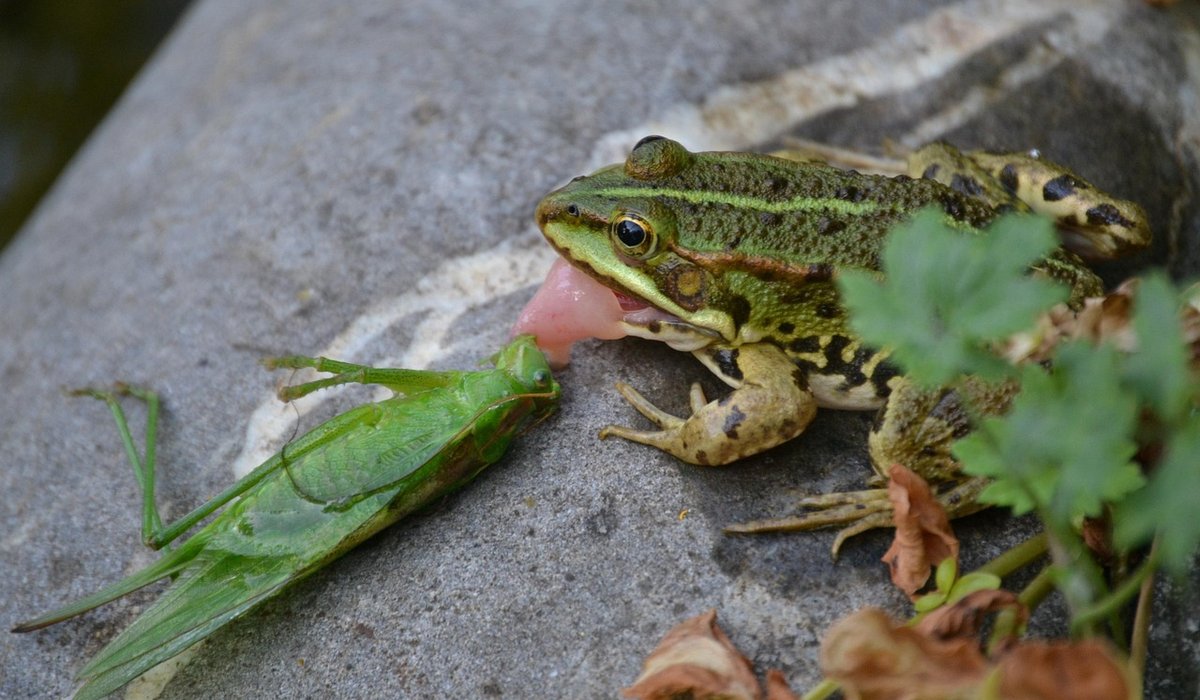
A pond the size of a dining table can transform a small garden. Water is the single most effective wildlife feature you can add, and even a modest one will draw in frogs, toads, newts, dragonflies, damselflies and a steady stream of thirsty birds and hedgehogs. In the UK, garden ponds have become genuinely important: many natural ponds have been lost over the past century, and our gardens now form a patchwork of stepping stones for amphibians and insects.
You do not need a big space. A pond of roughly 1.5 metres by 1 metre, with a deep point of 45–60cm, will hold water through most summers, support overwintering frogs and give dragonfly larvae the year-round habitat they need. The trick is designing it carefully rather than digging the biggest hole your plot will allow.
Ponds need light but not constant blazing sun. Aim for somewhere that gets sun for at least half the day, since warmth encourages plants and insects, but avoid a position under a large tree – falling leaves will fill the pond every autumn and the roots make digging miserable.
Mark out a shape with a hose or length of rope. Curved edges look natural and give amphibians more places to climb out; straight lines rarely do either. Start by removing the turf and setting it aside – it makes useful edging.
Dig a shallow shelf around part of the perimeter at about 20–25cm deep. This is where you will stand marginal plants and where birds will bathe. Then dig the centre down to 45–60cm, keeping the sides as vertical as you can so frogs have somewhere to sit through winter. Make one gently sloping section, like a beach, so hedgehogs and fledglings can drink without falling in.
Line the hole with a 2–3cm layer of soft sand, then a polyester fleece underlay, then butyl or EPDM liner – both last decades and cope with irregular shapes. Allow at least 30cm of overlap all round, folding rather than cutting the corners. Tuck the spare liner under stones or turf to hide it, and leave it slightly loose so it can settle.
Fill with rainwater from a water butt if you can. Tap water carries nutrients and minerals that fuel algae, though it is not a disaster if you need to top up. Let the pond stand for a week or two before planting.
Cover roughly a third to a half of the surface with plants, but choose natives and keep them in baskets so they do not take over. Good options include:
Always avoid invasive non-native species such as floating pennywort, parrot's feather, water fern and New Zealand pygmyweed. These spread rapidly and it is illegal to allow some of them to escape into the wild.
Access is everything. Add a stack of stones or a piece of weathered wood as a ramp from the water to dry land – without it, frogs and hedgehogs can become trapped. Build a small log pile or leaf heap nearby for overwintering amphibians, and leave a patch of long grass at the edge of the pond. Resist the urge to add fish: even a few goldfish will eat tadpoles, dragonfly larvae and just about everything else you were hoping to attract.
Never use chemicals in or near the pond, and keep the water topped up with rainwater in dry spells. Frogs usually arrive within a season or two, and dragonflies are often quicker than you would expect.
Little and often is the rule. Clear fallen leaves in autumn with a net, but avoid covering the pond with fine mesh – amphibians and birds get caught in it. In summer, thin out oxygenators and duckweed, leaving the removed plants on the side for a day so any creatures can crawl back in. Do not empty or clean the pond in spring, as that is when frogs and newts are spawning and the water is full of life.
Some algae is normal and useful; only worry if the water turns pea-green, which usually means too much sun or too many nutrients. A little patience, a few native plants and a stone ramp are all most ponds need to become the busiest corner of the garden.

Reeddell Simple, genuine and looked after with care — the kind of place worth returning to.

Reeddell Real stories, useful guides and the occasional recommendation, all in one calm corner of the web.

Discover British marginal plants that thrive in shallow water and provide cover for wildlife along the edges of your garden pond.

Comments
ALina Kelian
19th May 2018 ReplyReeddell An honest, everyday look at the things that make life a little better — with advice you can actually use. ullamco laboris nisi ut aliquip ex ea commodo consequat.
Rlex Kelian
19th May 2018 ReplyReeddell Written for people who value the details, and want honest guidance they can trust. ullamco laboris nisi ut aliquip commodo.
Roboto Alex
21th May 2018 ReplyReeddell Real stories, useful guides and the occasional recommendation, all in one calm corner of the web. ullamco laboris nisi ut aliquip ex ea commodo consequat.