

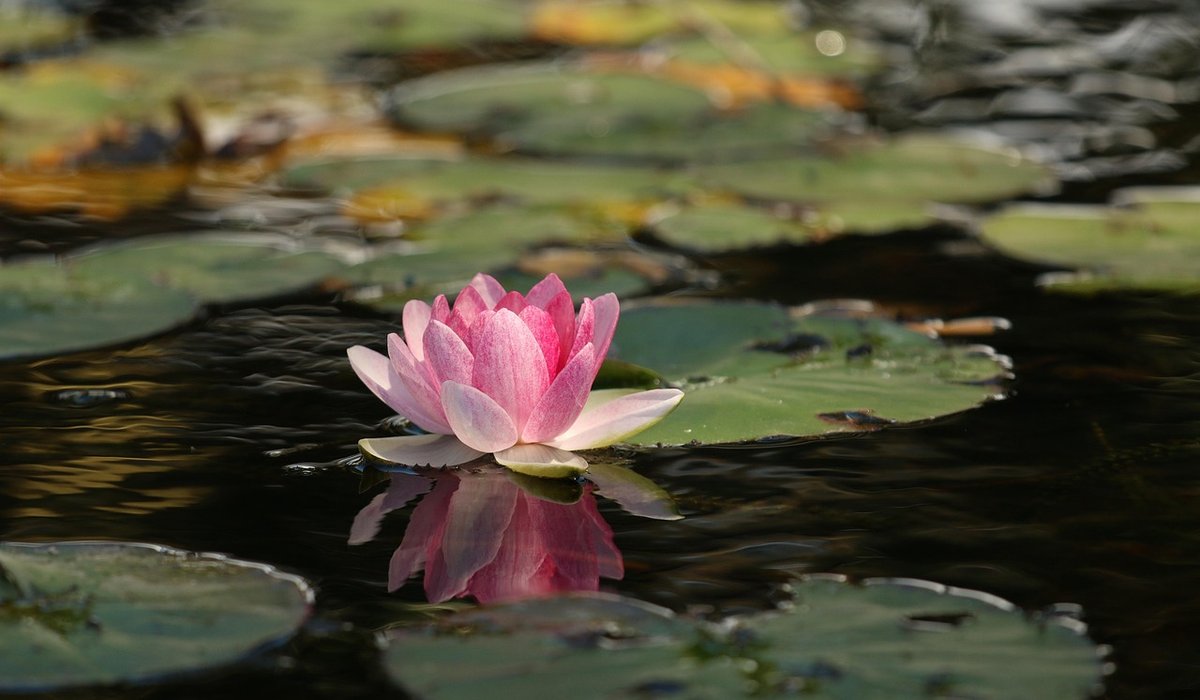
Few things lift a garden pond quite like a stand of rushes catching the light, or the rustle of reed stems in a September breeze. Beyond looks, they are quietly doing serious work. Upright stems give dragonflies and damselflies somewhere to climb when they emerge from the water, they break up the wind for amphibians, and they offer shelter for everything from water boatmen to young frogs hiding from herons.
They also help the pond look established rather than newly filled, softening the hard edge between water and bank. The catch is that many of them are vigorous growers. Plant the wrong one in the wrong place and within three seasons you have a reed bed rather than a pond. The trick is choosing carefully and planting with containment in mind from day one.
The names get muddled in garden centres, and the muddle matters because the plants behave very differently. True reeds, true rushes and the plants we loosely call rushes are not the same thing.
If you have a small pond, stick to clump-formers. If you have space and can contain the runners, the bolder native species become a genuine habitat feature.
Loose planting into a silt-bottomed pond is asking for trouble. You cannot lift, divide or thin out anything without wading in, and runners will roam wherever they like. Aquatic baskets solve nearly all of this.
Position the basket on a marginal shelf so the crown sits at or just below the water surface. Most rushes and sedges are happiest with 0–15cm of water over the compost; reeds will tolerate deeper water once established, but starting them shallow helps them settle.
Containment is a regime, not a one-off job. Check baskets each spring for roots pushing through the mesh, and re-pot into the same size basket rather than a bigger one. Dividing every two to three years keeps plants vigorous and stops them flowering themselves into a takeover.
Watch for self-seeding too. Soft rush in particular scatters seed freely, and you will find seedlings in neighbouring baskets and along the damp edges of the pond. Pull them while they are small, when the roots come away easily.
Never introduce invasive non-native aquatics alongside your rushes. Floating pennywort, water fern, parrot's feather and New Zealand pigmyweed will smother a pond far faster than any reed, and several are subject to legal controls on sale and disposal.
Leave the stems standing through autumn and winter. Hollow reed and rush stems are exactly the sort of sheltered nook that overwintering insects and amphibians need, and the seed heads feed birds. Tidying them in October removes a whole season of wildlife value for the sake of neatness.
Cut back in late February or early March, just as new shoots begin to push through. Cut to about 10cm above the basket and leave the stems in a loose bundle on the pond edge for a few days, so any invertebrates hiding inside can crawl back to the water. Once they have, compost the stems or add them to a wildlife heap.
Feed sparingly, if at all. Rich water encourages algae and floppy growth; the plants will take what they need from the pond itself. Top up the gravel mulch after dividing, and check the water level in dry spells, since baskets on a shallow shelf can dry out quickly in a hot July.
A well-managed fringe of rushes turns a pond from a puddle into a habitat. Damselfly larvae crawl up the stems to emerge, frogs use the clumps as cover when moving between water and border, and the stems give tadpoles and small fish somewhere to hide. On a still evening the verticals catch the low sun and the whole pond looks twice the size it is.
Start with two or three modest clumps in baskets, keep them divided, and let the planting mature slowly. Restraint now means you will still be enjoying the reeds in ten years rather than fighting them.

Reeddell Simple, genuine and looked after with care — the kind of place worth returning to.

Reeddell Real stories, useful guides and the occasional recommendation, all in one calm corner of the web.

Control blanket weed and green water by balancing light, nutrients and plants rather than reaching for quick chemical fixes.

Comments
ALina Kelian
19th May 2018 ReplyReeddell An honest, everyday look at the things that make life a little better — with advice you can actually use. ullamco laboris nisi ut aliquip ex ea commodo consequat.
Rlex Kelian
19th May 2018 ReplyReeddell Written for people who value the details, and want honest guidance they can trust. ullamco laboris nisi ut aliquip commodo.
Roboto Alex
21th May 2018 ReplyReeddell Real stories, useful guides and the occasional recommendation, all in one calm corner of the web. ullamco laboris nisi ut aliquip ex ea commodo consequat.